

News Center: Short Takes Archive
Michael Levin of Tufts University Will Be Keynote Speaker
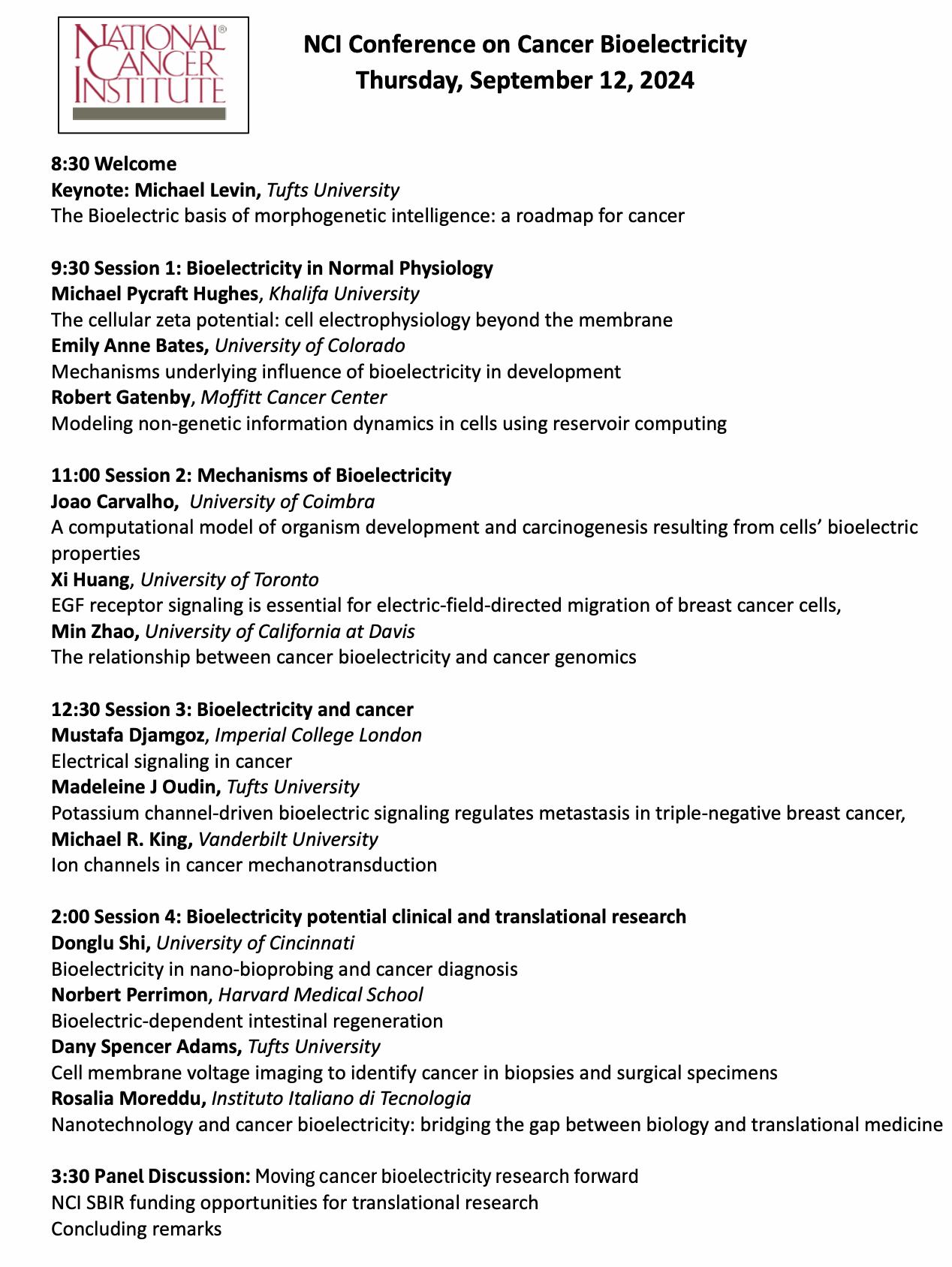
On September 12th, the U.S. National Cancer Institute (NCI) will host a conference on cancer bioelectricity via Zoom.
Michael Levin, a professor of biology and biomedical engineering at Tufts University in Massachusetts, will be the keynote speaker. The meeting begins at 8:30 am (U.S. Eastern Time) and ends at 4 pm. Attendance is free, but registration is required.
In an email announcement, NCI states:
“Bioelectricity regulates many life functions, and cancer cells have altered electrical properties which can disrupt the normal cellular signaling pathways leading to carcinogenic processes including tumor initiation, promotion and progression. Understanding cancer bioelectricity can lead to the development of novel approaches to cancer detection, diagnosis and therapy. The conference will address the fundamental aspects of cancer bioelectricity.”
The program:
In her book, We Are Electric, published last year, Sally Adee describes Levin as “among those who have found evidence to suggest that the electrical dimensions of life can exert control over genes, providing a way to hack other systems we previously thought were too complex to precisely control.”
Some background reading on Levin’s work:
- “The Biologist Blowing Our Minds,” Nautilus, June 28, 2023.
- “Brainless Embryos Suggest Bioelectricity Guides Growth,” Quanta Magazine, March 13, 2018.
- “This Scientist Re-Wires Frogs To Grow Extra Limbs. Could It Work in Humans?” Popular Science, December 26, 2016.
- “It’s Electric: Biologists Seek to Crack Cell’s Bioelectric Code,” Scientific American, March 23, 2013.
- “Voltage Change Forms Eyes in Head —or Wherever,” Science, December 9, 2011.
There’s also Robert Becker’s classic The Body Electric, still in print 40 years after it was first published.
More than 99% of Studies on Oxidative Stress Discarded
A third RF systematic review commissioned by the World Health Organization’s EMF Project is under fire. This one is on RF–induced oxidative stress. Last month, two other WHO reviews —on pregnancy outcomes and on tinnitus— were both called into question as critics called for them to be retracted.
A team of 14 from six countries, led by Felix Meyer of the German Office for Radiation Protection (BfS), identified 11,599 studies on oxidative stress in the frequency range 800-2450 MHz. They then eliminated 11,543 of them as not meeting their criteria for inclusion. Of the remaining 56, there are 45 animal studies and 11 cellular studies.
Meyer and colleagues concluded:
“Overall, the effects were inconsistent across studies and there may be or may not be an effect of RF-EMF exposure, but the certainty of the evidence is very low.”
The review has been met with skepticism —at least by those not connected to the WHO, ICNIRP or the BfS.
“The authors of this ‘systematic review’ systematically excluded most of the relevant research,” Joel Moskowitz of the UC Berkeley School of Public Health said in an interview. “A strong case can be made that the Meyer review should be retracted.” Moskowitz runs the Electromagnetic Radiation Safety website.
Henry Lai, a professor emeritus at the University of Washington, Seattle, spelled out where Meyer and his team went wrong in the following statement he provided Microwave News:
The basic problem with this systematic review is that they ignored the dynamic nature of oxidative responses.
Proof of oxidative effects (possible oxidative stress) comes from different considerations:
1. Oxidative molecular reactions
2. Concentration of cellular free radicals
3. Changes in enzymes involved in free radical metabolism
4. Expression of genes involved in cellular oxidative processes, and
5. Inhibition by free radical scavengers (antioxidants).
These cellular responses, like most biological processes, have feedback loops — that is, they can compensate to maintain homeostasis. Overcompensation can lead to oscillations. Thus, it’s possible to see an increase, decrease or no effect depending on when the measurement is made. It is not obvious how this dynamic might affect the outcome of Meyer’s SR.
The Meyer review essentially only considered the first of the five possibilities above. These reactions include lipid peroxidation, protein oxidation and carboxylation, as well as DNA oxidation. Lipid and protein oxidation are relatively easy to measure. In RF studies, oxidative DNA damage is usually studied using a type of comet assay or measurement of oxidized DNA bases. If the normal comet assay is used, the damage caused by free radicals would lead to single- and double-strand DNA breaks. There are many RF studies using the comet assay showing DNA strand breaks. I suspect most of these are caused by free radicals, because they can be blocked by antioxidants.
In addition, only two hydrogen peroxide studies were included. There are, however, many other types of cellular free radicals —for instance, reactive nitrogen species. It would have been more meaningful to look at the total oxidant status (TOS) and total antioxidant capacity (TAC). There are many studies reporting effects of RF radiation on TOS and TAC.
Finally, Meyer should have also considered studies of ELF-EMFs on cellular oxidative processes since most environmental RF is ELF-modulated. There are at least 320 published papers on oxidative effects of ELF/static-EMFs.
In sum, the Meyer review left out a large portion of RF-oxidative effect studies.
Lai compiles his own bibliography of RF-oxidative stress papers. As of mid-August, his list includes 367 studies, published beween 1997 and 2024. By his count, 89% showed significant effects.
In a 2019 review, Lai described some of the many biological impacts which may be caused by changes in the concentration of free radicals brought about by oxidative stress. These include “many physiological functions such as DNA damage; immune response; inflammatory response; cell proliferation and differentiation; wound healing; neural electrical activities; and behavior.”
The WHO systematic reviews are part of a more than a decade-long process to update its summary document on RF health effects. The project has been mired in delays and controversy. Details here.
Fourth Review Questioned
August 23, 2024
Environment International posted a letter to the editor today in response to another WHO RF systematic review —this one on “self-reported symptoms,” which was originally published in early April.
In his critique, Michael Bevington, the chair trustee of Electrosensitivity UK, a charity based in London, states:
The review’s Interpretation is invalidated in three ways. Firstly, its parameters excluded much available evidence showing positive effects; secondly, the use of averaging hides individual cases which provide positive evidence; and, thirdly, its negative claim is contradicted by positive proof from other sources, including practical, judicial, legal and underwriting.
The lead author of the review is Xavier Bosch-Capblanch, a medical doctor at the Swiss Tropical and Public Health Institute in Switzerland, who also has an appointment at the University of Basel. His team includes members from Nigeria, the U.K. and the U.S. —as well as Martin Röösli, a colleague of Bosch-Capblanch in Basel. Until recently, Röösli was a member of ICNIRP.
Bevington concludes:
“The claim that ‘available evidence’ suggests that acute non-thermal RF-EMF ‘does not cause symptoms’ is not substantiated by all the evidence available, including evidence from 1932 onwards when the condition of Radio Wave Sickness was first described...”
Industry Sees Strict Standard as Barrier to 5G Development
Seeks To Bring It into Line with ICNIRP
This is a continuing story —with the most recent updates on top.
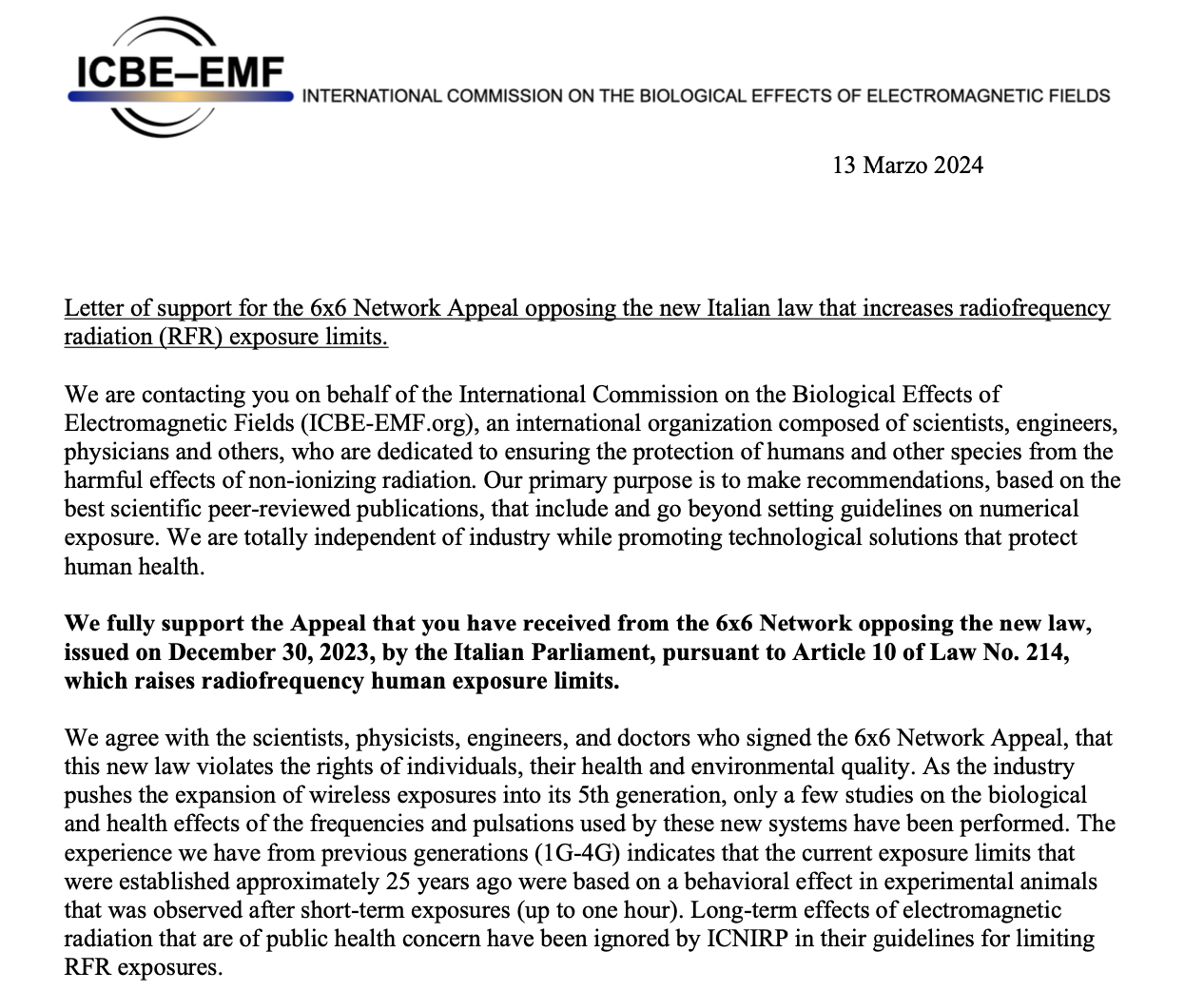
The International Commission on the Biological Effects of Electromagnetic Fields (ICBE-EMF) has written to Italian government officials to support the country’s strict 6 V/m RF exposure limit.
The letter, dated March 13, expresses “great concern” that the standard might be weakened. It is signed by Ronald Melnick, the chair of ICBE-EMF, and by Elizabeth Kelley, its managing director. Before his retirement, Melnick was a senior toxicologist at the U.S. NTP. He designed the NTP RF–cancer animal study.
The letter begins:
A full copy of the four-page letter is available in English and in Italian. See also the scientists’ appeal to keep the Italian limit, issued last August.
The ICBE-EMF was set up in March 2021, as a counterweight to ICNIRP, more here.
December 31, 2023
As the year comes to a close, the 6 V/m appears, once again, very vulnerable. Stay tuned as the situation plays out over the coming months.
August 9, 2023
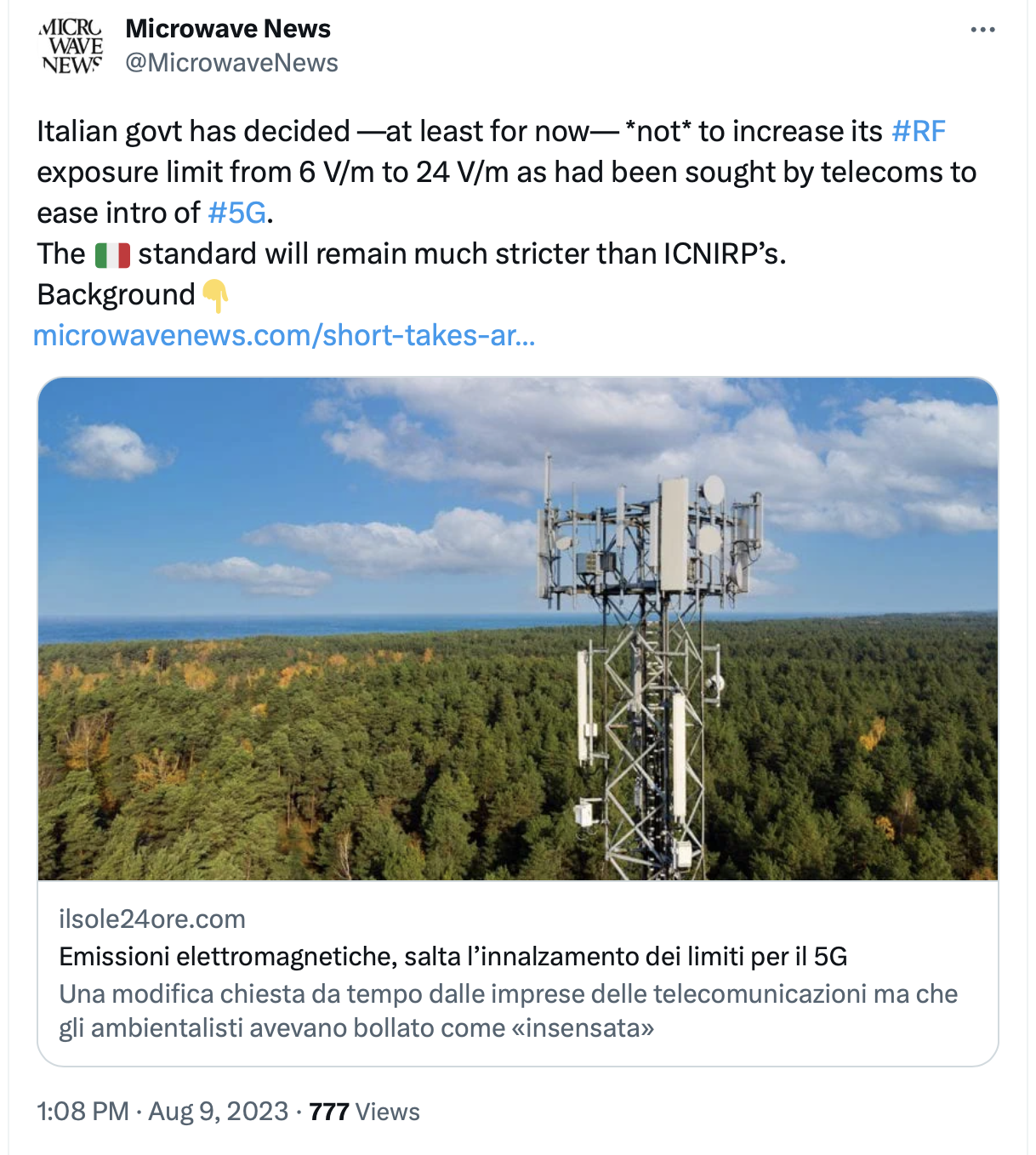
The Italian government has signaled that it intends to keep its strict 6 V/m RF radiation exposure limit.
 _______________
Below is our original story, posted more than two years ago, when the limit was first under pressure.
May 3, 2021
Italy’s 6 V/m RF exposure standard, one of the strictest in the world, may soon fall victim to 5G.
The Italian limit, adopted more than 20 years ago, is widely perceived as standing in the way of the build-out of 5G infrastructure, which will require the installation of many more RF antennas. The proposed solution is to make the standard ten times weaker and bring it in line with ICNIRP’s 61 V/m guideline.*
The standard is a target of Italy’s post-pandemic national recovery plan (known as the Next Generation Italia or PNRR). The plan allocates over €40 billion (~US$48 billion) to advance the digitization of the country, including promoting 5G technology and increasing broadband speeds nationwide, currently among the slowest in Europe.
All the major political parties, except one, favor loosening the 6 V/m limit, according to La Repubblica, the second most widely read (non-sport) newspaper in Italy. The one holdout is the Fratelli d’Italia party (Brothers of Italy), a far-right, neo-fascist group —and even it is on record as wanting to make the siting of antennas easier for telecom operators.
The proposal has galvanized a coalition of Italian environmental researchers and activists, as well as members of the international RF research community. They have appealed to the government to save the 6 V/m limit. (See Tweets below.)
One appeal, sent to Mario Draghi, the recently installed prime minister, on April 26, had been signed by more than 8,700 supporters within a couple of days, according to Fiorella Belpoggi. She is the scientific director of the Ramazzini Institute in Bologna and is helping coordinate the campaign.
Italy has long been a hotbed of anti-5G activism. A petition calling for a moratorium on 5G, launched two years ago, has garnered more than 63,000 signatures. The Italian Stop 5G Alliance has been a major force in promoting this petition.
The protests —including a hunger strike by over 150 people— appears to have softened the government’s approach. When the lower house of the Parliament approved the recovery plan at the end of April, the proposal to eliminate the 6 V/m limit had been dropped and replaced by a call to review the standard.‡ But, Belpoggi told Microwave News, “the door for a change remains open.”
All Eyes on Vittorio Colao
Much of the public furor at the potential weakening of the exposure limit has been directed at Vittorio Colao, the Harvard-educated minister for innovation, technology and digitization in the new Draghi government.
Colao was the chief executive of Vodafone, the largest telecommunications company in Europe, for ten years, ending in late 2018. The following year he became a director of Verizon, the second biggest telecom in the world (after AT&T) and, like Colao himself, a major promoter of 5G technology. Colao has now stepped down from the Verizon board. He has been praised as a “strategic visionary.”
Colao played a major role in designing the PNRR. He was commissioned by the previous Italian prime minister, Giuseppe Conte, to devise a post-COVID recovery strategy, which became known as the Colao plan. It included investments in infrastructure.
That plan, delivered to Conte last June, proposed raising Italy’s exposure limits to those recommended by the EC† (that is, the ICNIRP limits), according to Livio Giuliani, the former director of research at Italy’s National Institute for Prevention and Occupational Safety (ISPESL, now INAIL). The 2020 plan‡ also favored giving national authorities the right to veto local ordinances that block antennas.§ (This would be similar to the federal preemption of local laws in the U.S.)
The new digitization initiative, which Colao would most likely implement, accounts for about 20% of the total outlays under the €200 billion PNRR.
In a meeting with legislators in April, Colao acknowledged that a weakening of the 6 V/m limit is “unpopular.” He committed to striking a balance between the number of antennas and the health and welfare of the citizenry, pledging that, “the scientific evidence would be evaluated,” according to La Repubblica.
When the 6 V/m standard took effect in 1999, Italy had the most restrictive standard in Europe. A year later, Switzerland adopted a 4 V/m limit for cell tower radiation and a 3 V/m limit for radio and TV transmitters (details here).
The 6 V/m limit is approximately the same as the Soviet/Russian exposure standard of 10 μW/cm2.
It is not clear what impact the Italian standard may have had on the build-out of the mobile phone network or would have on 5G antennas.
The April 26 appeal to Draghi concludes:
“Italy has led the world for the last 20 years in demonstrating that their lower and more health protective exposure limits for RFR can be reached by the Italian Telecommunications industry without significant economic or technical barriers to their expansion into 4 and 5G systems.”
___________________
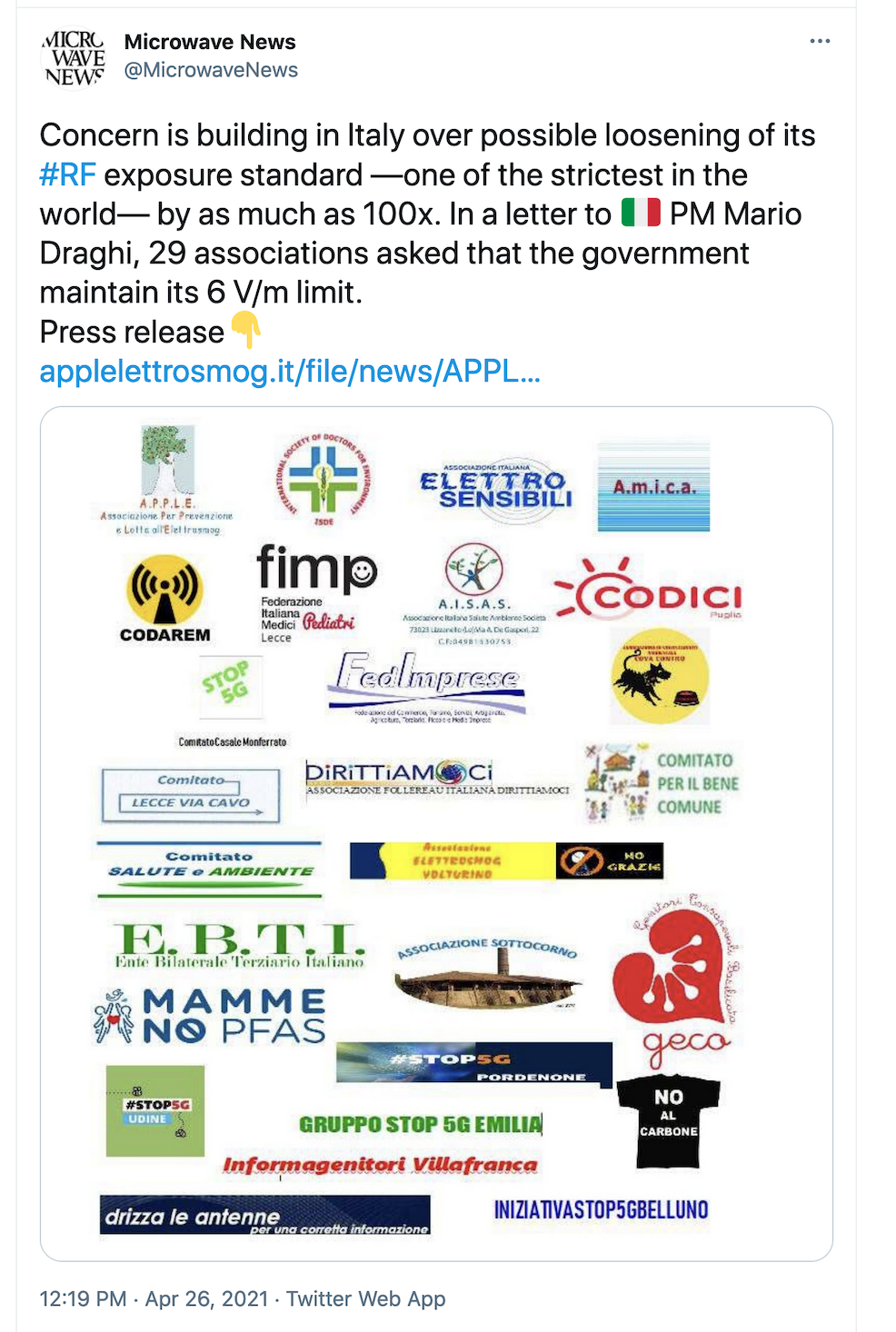
Here’s a thread of Microwave News Tweets, posted last week as some of this story played out:
 Link to press release

Link to letter

Link to letter

______________________
* How much weaker is the ICNIRP standard than Italy’s 6 V/m limit? It depends on whether you are looking at the electric field or power density. The 6 V/m electric field standard is approximately ten times stricter than ICNIRP’s 61 V/m. In terms of power density, the Italian limit is about a hundred times stricter than ICNIRP (10 μW/cm2 v. 1 mW/cm2). The reason: Power density is proportional to the square of the electric field strength.
† In 1999, the EC recommended that member states follow the ICNIRP guidelines. From the Italian Parliament on March 24, 2021: “Consider adjusting the current Italian limits on electromagnetic emissions to the European ones.” (Item #15 on p.76.)
‡ See also the July 2020 report on 5G from a committee of the Italian Parliament.
§ See item #27 on p.22 of the June 2020 Colao plan. Some 500 municipalities have policies that make it hard to site antennas, La Repubblica reported last year.
Prof. Katsumi Imaida To Present at Tox Meeting in Utah
The Japanese group running a partial repeat of the NTP RF cancer study has not observed genotoxic effects among male rats exposed to 900 MHz CDMA radiation at 4 W/Kg, according to a paper to be presented tomorrow at the annual meeting of the Society of Toxicology in Salt Lake City, UT (SOT2024).
The genotox studies were carried out following 14 weeks of RF exposure.
The analysis of the cancer data is ongoing and will not be reported.
Among the long-term results reported by the Japanese team:
• Body weights and food consumption of the exposed rats were significantly different from the controls.
• After two years, more of both the exposed and control rats in Japan had survived than in the NTP experiment. This was “especially” noteworthy for the controls.
Professor Katsumi Imaida of Kagawa University in Takamatsu, the lead author of the paper, is scheduled to present these results at the SOT meeting. They are essentially the same as those he presented at the BioEM2023 meeting last June in Oxford, England.
A parallel project is also ongoing in Korea and the data from each will be pooled to improve the statistical reliability of the results. The Japanese/Korean animal study is a scaled-down repeat of the $30 million study by the U.S. National Toxicology Program (NTP), which found clear evidence that RF radiation can cause cancer. The Asian study has been dubbed “NTP Lite”. The project is being called a “validation” study.
In contrast to the Japanese findings, the NTP team did see DNA breaks (NTP paper here). Both U.S. and the Japanese groups used the comet assay, developed by N.P. Singh.
Last June, Young Hwan Ahn, the leader of the Korean project team, presented his own status report at a private briefing for the WHO EMF Project in Geneva. At the time, he revealed that the Korean genotox experiments had to be delayed due to the unexpected death of four RF-exposed rats early in the two-year experiment.
For more on the joint Japanese/Korean project, see Ahn and Imaida’s 2022 paper in Bioelectromagnetics (open access).
Members of the project’s international advisory committee are: Alexander Lerchl, Michael Repacholi, Emilie van Deventer, Eric van Rongen, Vijayalaxmi, Joe Wiart and Michael Wyde.
_____________________________
Prof. K. Imaida’s Poster Paper at SOT 2024 in Utah, March 13, 2024
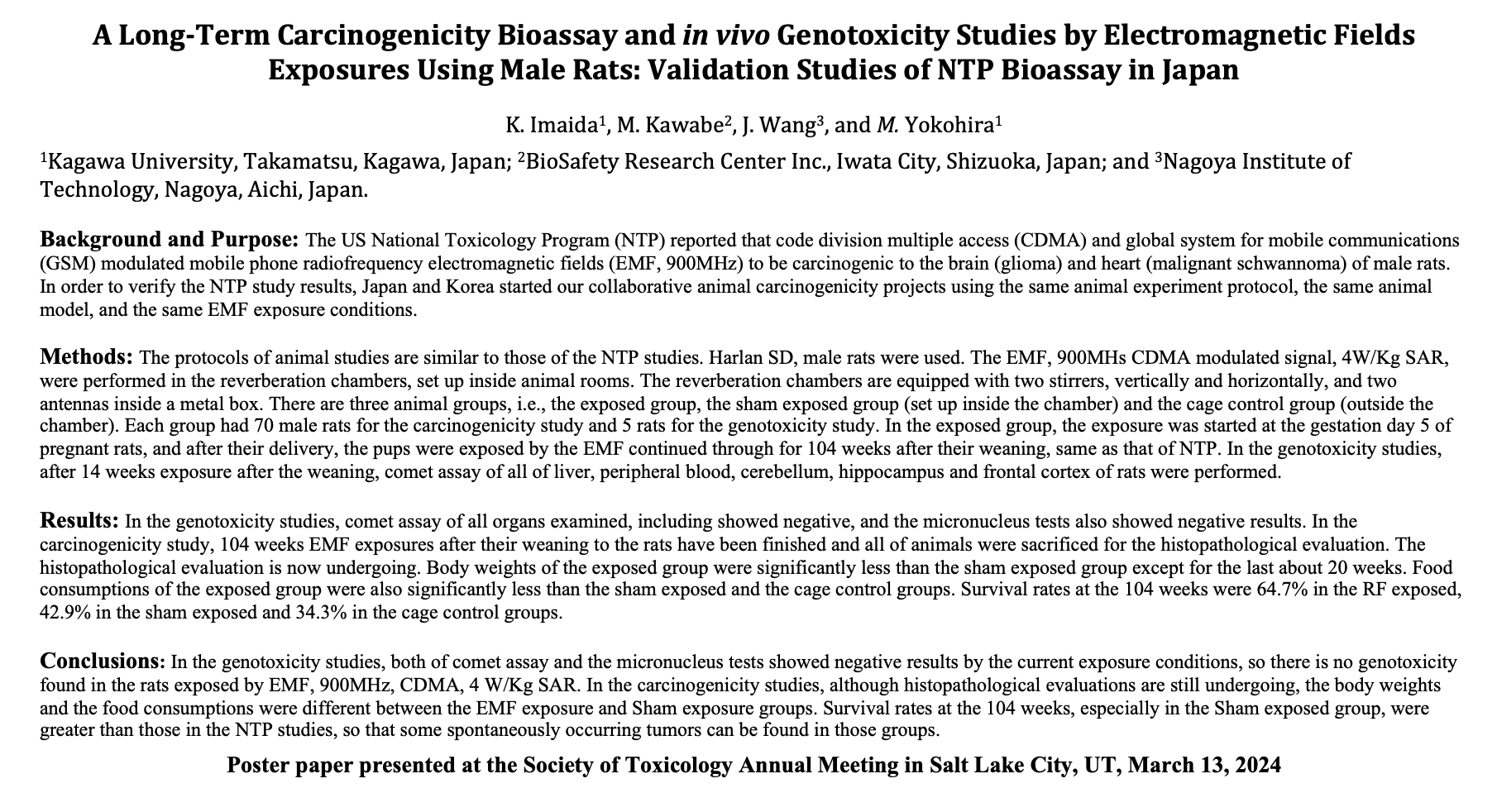 Click to enlarge.
Did Cell Phone in Trouser Pocket Lead to a Tumor in the Thigh?
Three medical doctors have published a case report of a 40-year-old Italian man who developed a tumor in his thigh, near where he “habitually” kept his smartphone in a trouser pocket.
The case was published at the end of August in Radiology Case Reports, a peer-reviewed, open access journal.
The tumor, a painless mass, gradually expanded in the man’s left thigh over a period of six months, they wrote. It grew in his Schwann cells and is known as a schwannoma. It was benign.
Schwann cells play an important role in the functioning of the peripheral nervous system. They make up the myelin sheath, which insulates nerve fibers and helps speed the conduction of electrical impulses. They are present in most organs of the body —whether of mice, rats or humans.
The authors —two Italians and one Moroccan— acknowledge that they “cannot establish a definitive causal relationship” between the tumor and the placement of the phone in the trouser pocket, but they state that the case underscores the “need for further research.”
Second Report in Preparation
Microwave News has learned of a second, similar case, as yet unpublished, also in Italy. It deals with a schwannoma that developed in a woman’s forearm, close to a pocket where she put a cell phone while doing sports for about one hour a day, every day for more than ten years.
This latter case is being written up by Fiorella Belpoggi, the former scientific director of the Ramazzini Institute outside Bologna. She retired in 2019 but continues to be one of the institute’s scientific advisors. Belpoggi ran Ramazzini’s long-term RF exposure study, which found schwannoma of the heart among exposed rats (more here).
The U.S. National Toxicology Program (NTP) saw malignant schwannoma of the heart among its RF–exposed rats. This is what led to the now well-known conclusion that there is “clear evidence” of cancer following RF exposure.
The NTP found schwannomas in a variety of glands (pituitary, salivary and thymus), as well as the trigeminal (cranial) nerve and the eye. The NTP saw schwannomas in the uterus, ovary and vagina of female rats.
The fact that both Ramazzini and the NTP bioassays showed the same type of obscure tumor led some observers to opine that “more than a coincidence” was at work (more here).
Acoustic Neuroma Is a Type of Schwannoma
An acoustic neuroma is a tumor on the nerve connecting the ear to the brain. It too is a schwannoma. It has long been associated with cell phone use. A link was first reported by Sweden’s Lennart Hardell in 2002, and supported by Maria Feychting of the Karolinska Institute and other members of the Interphone project. (More about this history here). Feychting later changed her mind and became an outspoken critic of any cell phone tumor risk.
In 2012, the Supreme Court of Italy affirmed a workers’ compensation award to a businessman who developed a tumor of the trigeminal nerve after using a cell phone for 12 years. (A similar award, also in Italy, here.)
So Are Gliomas
What is not widely recognized is that the brain’s glial cells are related to Schwann cells, as explained by the NTP in its final report of its RF project:
“Schwann cells are similar to glial cells in the brain in that they are specialized supportive cells whose functions include maintaining homeostasis, forming myelin and providing support and protection for neurons of the peripheral nervous system.”
Glial cells are in the central nervous system; Schwann cells are in the peripheral nervous system. They serve similar functions.
Gliomas, tumors of glial cells, are the other type of tumor most often associated with cell phone use.
Schwannoma in Muscle Tissue
A schwannoma “can occur anywhere in your body, at any age,” according to the Mayo Clinic: In an arm or leg, it manifests as a slow-growing, painless lump. It is rarely cancerous, but can lead to nerve damage and loss of muscle control.
The Cleveland Clinic states that schwannomas are usually found among people between the ages of 50 and 60 years —and rarely in children. They are uncommon, affecting fewer than 200,000 people each year in the U.S.; about 60% of benign schwannomas are vestibular schwannomas (acoustic neuromas).
In most cases, according to the Cleveland Clinic, schwannomas “happen randomly for unknown reasons.”
A team from Korea presented a case report of a schwannoma in the muscles of a 79-year-old man’s back in the journal Nerve in 2020. The tumor, when removed, measured 2.0 × 2.0 × 3.5 cm. The report is open access.
__________________
For other reasons to keep a phone out of your pocket, see:
Colorectal Cancer Soaring in Young Adults; Are Smartphones in the Mix?
Briefing at WHO RF Meeting in Geneva
A Korean RF genotoxicology study —part of a joint project with Japan— has been delayed due to the unexpected death of four RF–exposed rats early in the accompanying two-year cancer experiment, according to Young Hwan Ahn of Korea’s Ajou University medical school.
Ahn presented a progress report on the Korean arm of the project in Geneva last week at a by-invitation-only meeting of the WHO EMF Project’s International Advisory Committee.
Microwave News has obtained a copy of Ahn’s PowerPoint presentation.
There were 70 RF-exposed rats in the two-year cancer study and an additional five for the genotox experiment. Three rats died in the RF–exposure chamber on the 87th day of the experiment, and another died the next day. The team decided to combine the two sets of rats to maintain the statistical power of the cancer bioassay. The cause of the four deaths, if known, was not disclosed.
Exposures in the cancer studies in both countries ended last December. The animals have been sacrificed and the analyses are now under way. Exposures in the delayed genotox experiment are scheduled to be completed in September.
The cancer results are expected in 2024. The director of IARC, Elisabete Weiderpass, has said that she is waiting for them before assembling a new panel to evaluate RF–cancer risks.
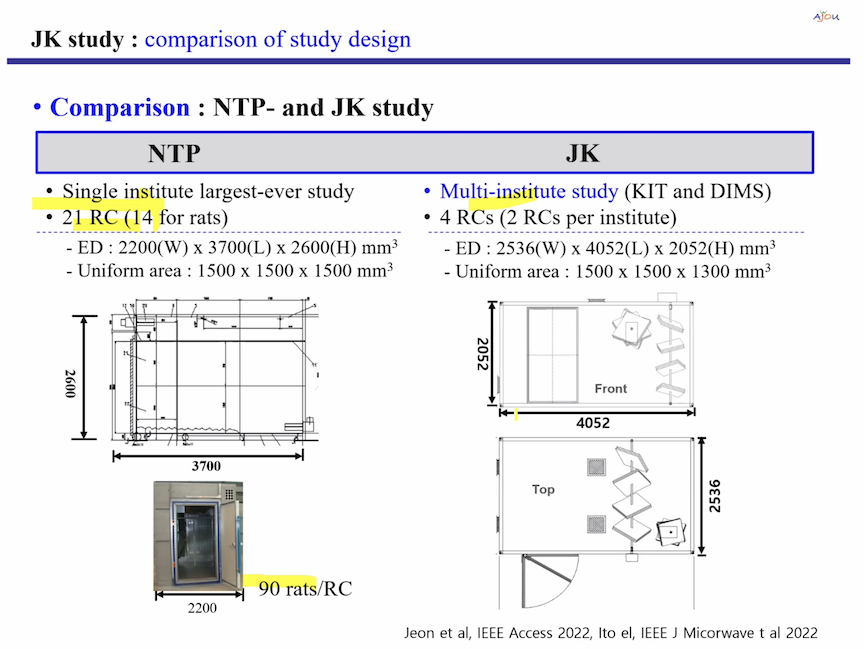
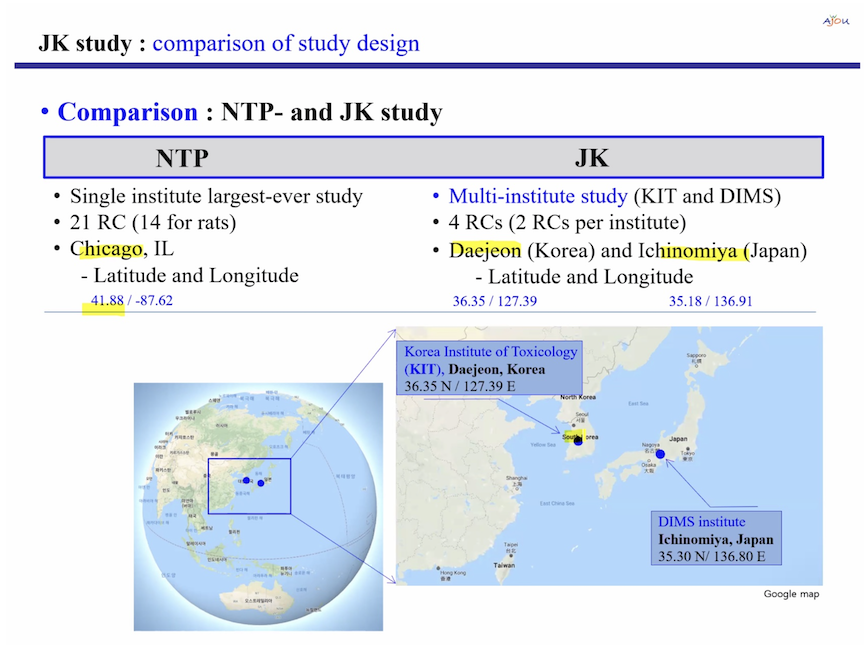
The Japanese/Korean animal study is a scaled-down repeat of the $30 million study by the U.S. National Toxicology Program (NTP) which found clear evidence that RF radiation can cause cancer. The Asian study has been called “NTP Lite.”
Katsumi Imaida will present a progress report on the Japanese arm of the joint project at the annual BioEM meeting in Oxford next week (his abstract).
The three slides below compare the Japanese/Korean studies to the original NTP project:
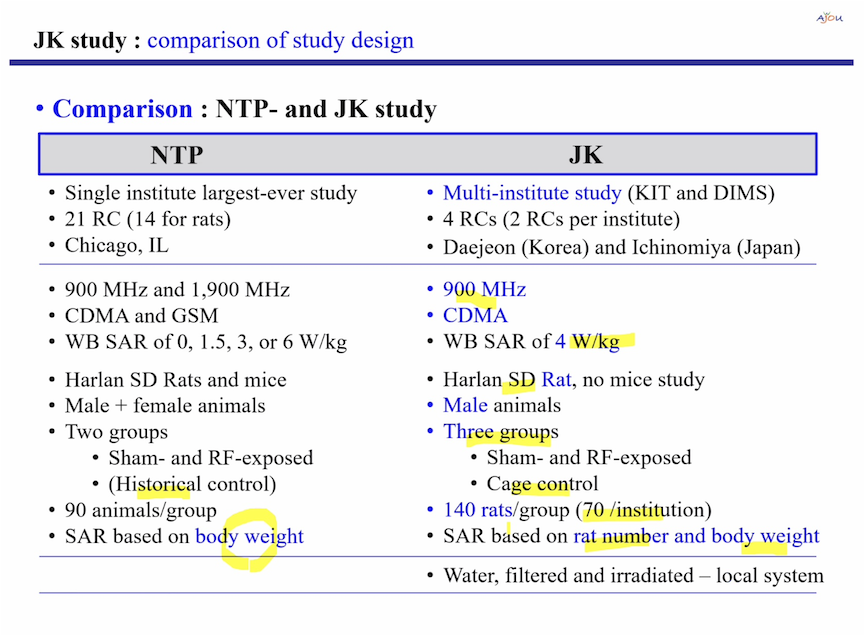 The next few slides give details on the study protocol, with some preliminary results on animal weights and food consumption.
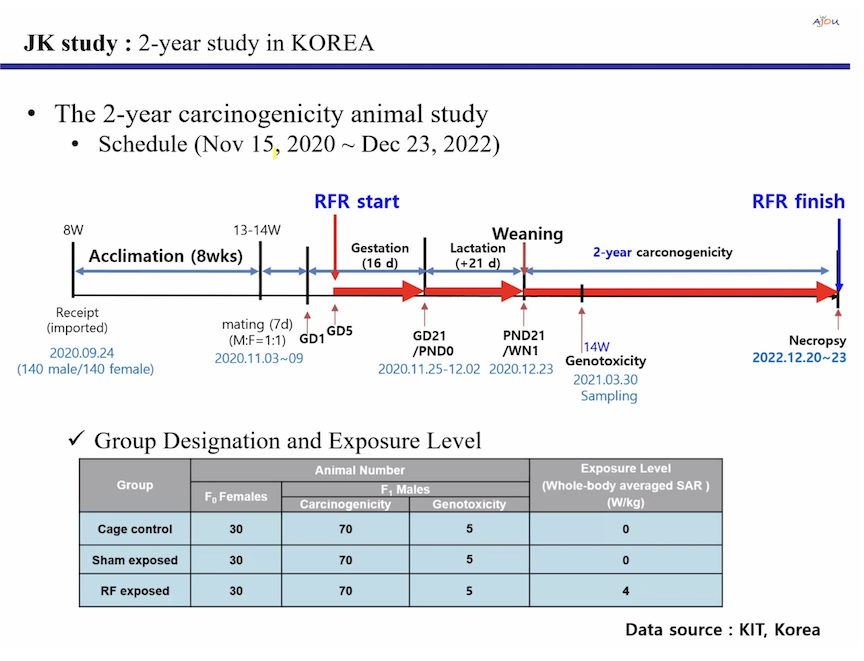
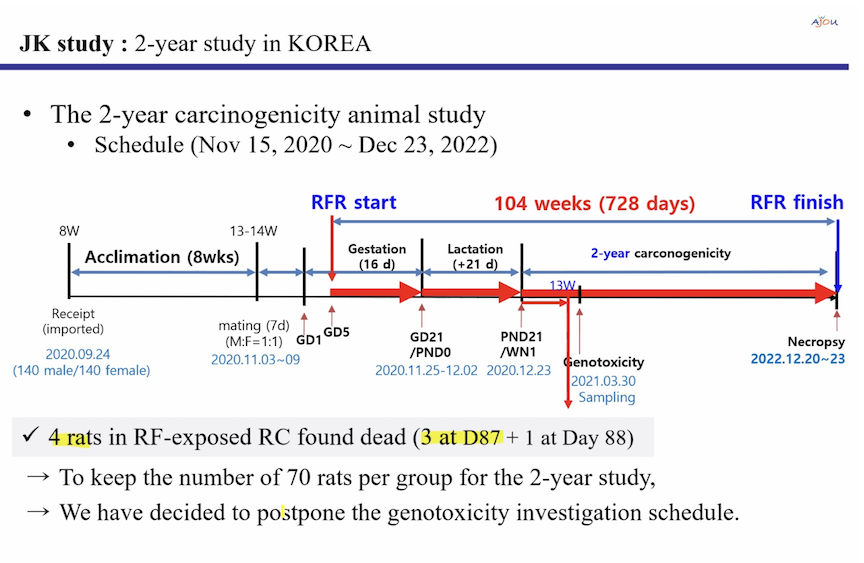
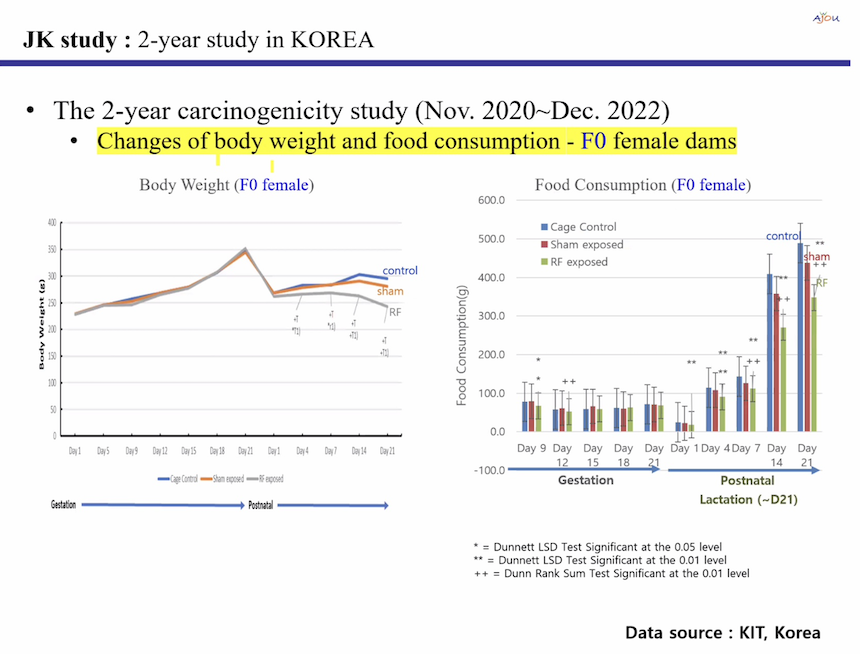
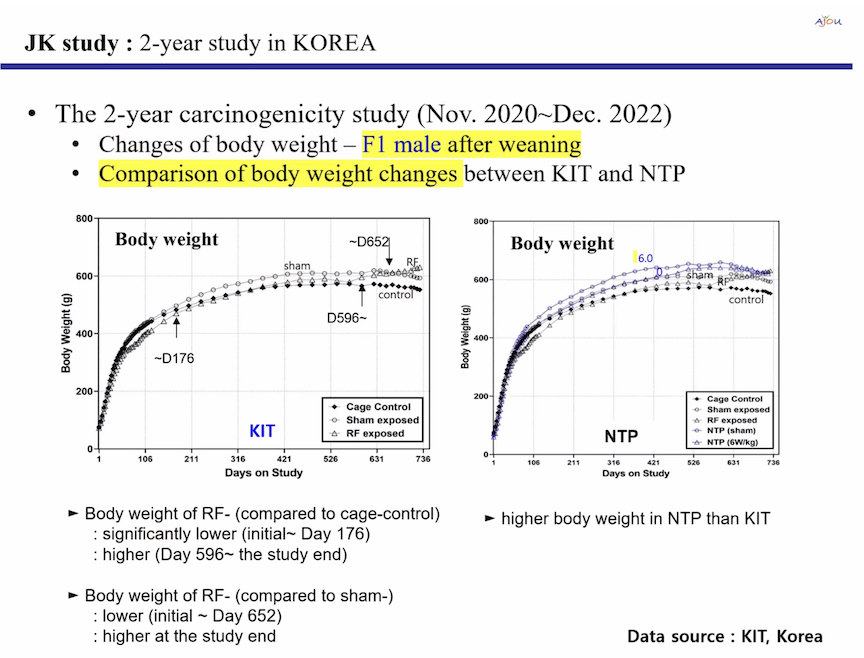
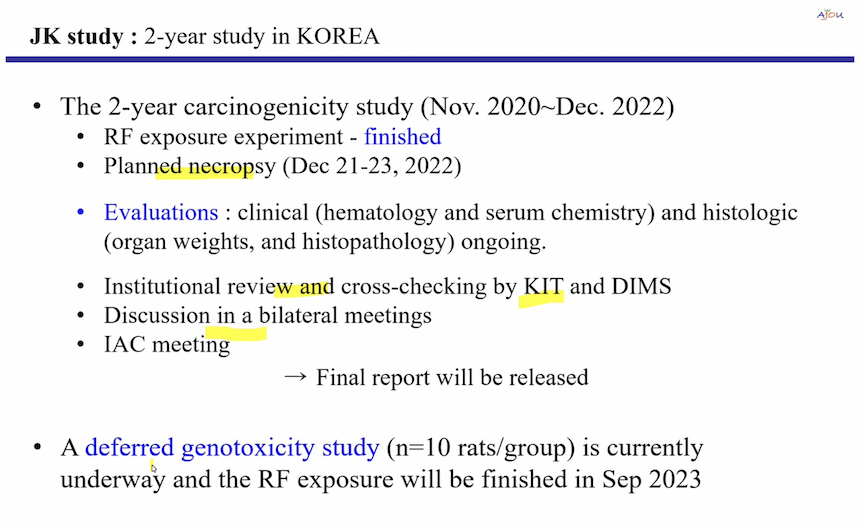 Ahn closed his talk with this summary:
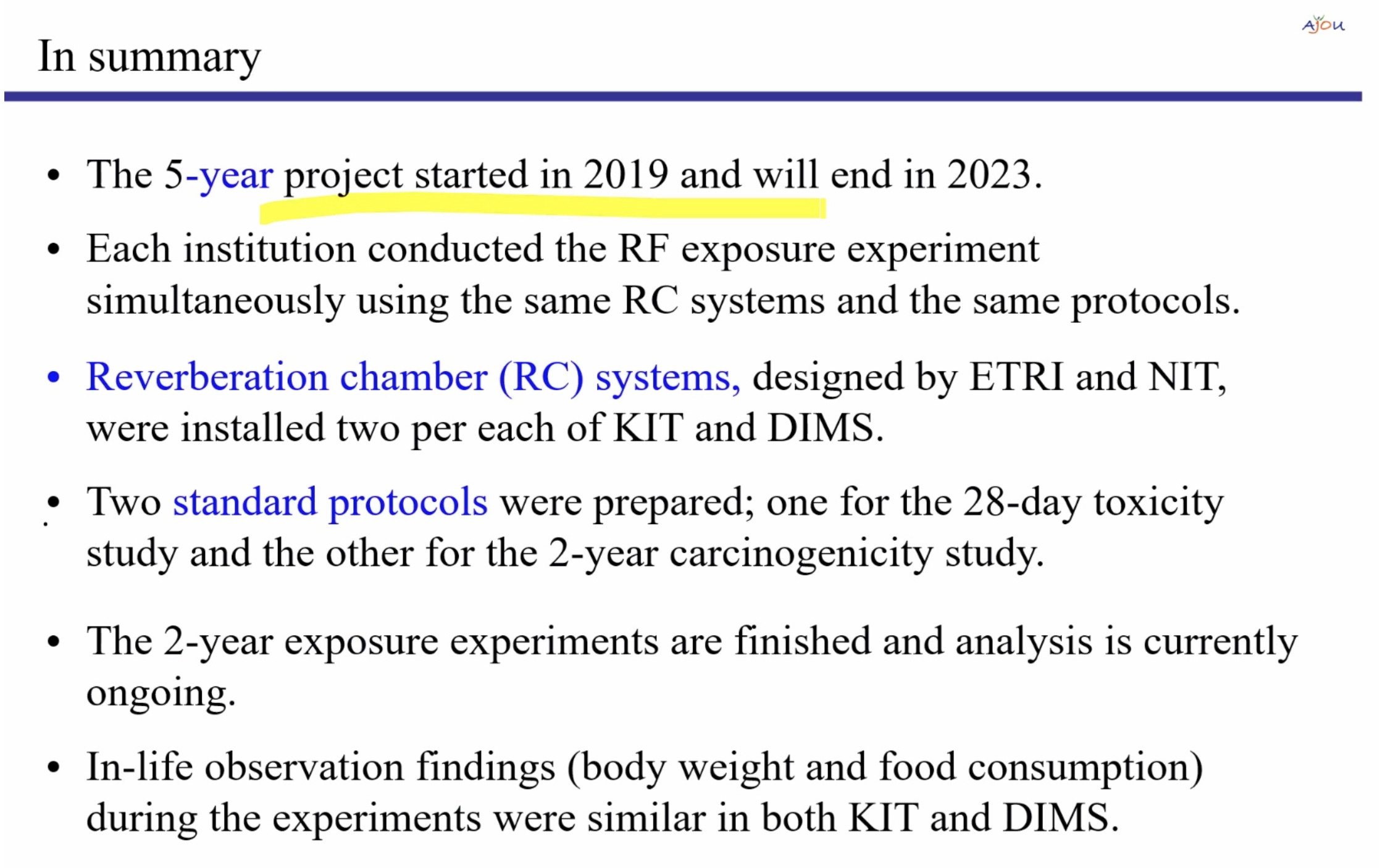
A pdf of Ahn’s complete ppt is available here.
Members of the project’s international advisory committee are: Alexander Lerchl, Michael Repacholi, Emilie van Deventer, Eric van Rongen, Vijayalaxmi, Joe Wiart and Michael Wyde.
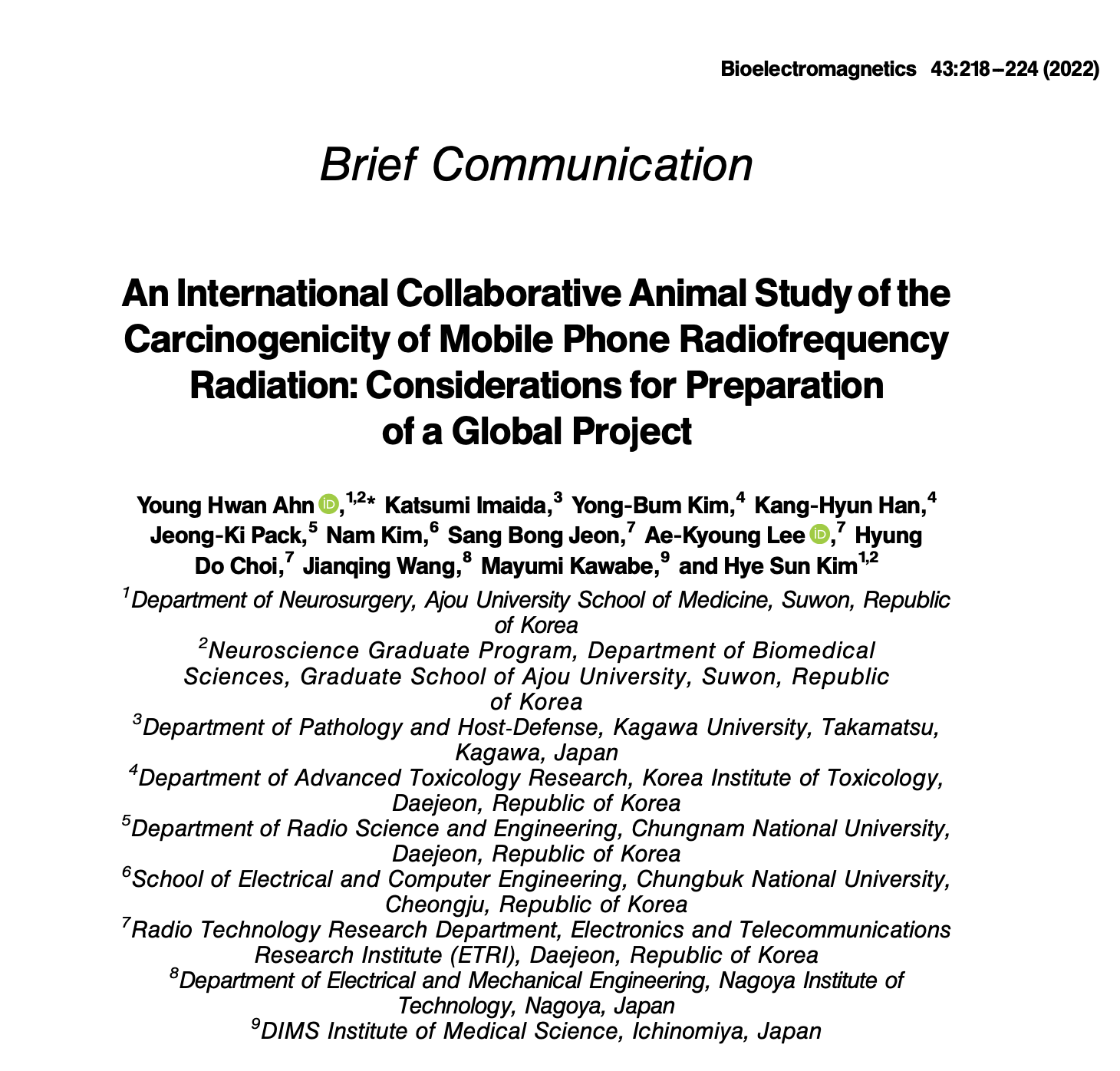
Last year, Ahn’s and Imaida’s teams described the joint animal project in a paper published in Bioelectromagnetics. It’s open access.
Briefing in Geneva This Week
Japanese-Korean ‘NTP Lite’ on the Agenda
ICNIRP continues to dominate EMF policies at the WHO, according to documents made available to Microwave News. The International Commission on Non-Ionizing Radiation Protection is a private, self-perpetuating, secretive group whose exposure limits are used around the world.
The documents were recently distributed by Emilie van Deventer, who leads the WHO’s radiation program, as she prepared to host a briefing this week in Geneva for the EMF International Advisory Committee (IAC).
The meeting, which has not been publicized, will offer fresh details on a Japanese-Korean animal study, the slimmed down version of the NTP’s $30 million rat study with “clear evidence” of cancer (the repeat has been called “NTP Lite”). The results of the joint study have been highly anticipated since last November, when the director of IARC said that she is waiting for them before scheduling a new assessment of RF cancer risks.
Young Hwan Ahn of Korea’s Ajou University medical school will provide the update tomorrow, June 6, on the first day of the IAC meeting. Unlike many of the speakers attending remotely, Ahn will be in Geneva, according to a leaked copy of the draft agenda.
The complete draft agenda is here.
Surprisingly, the agenda does not mention the decade-long effort to update the WHO’s RF Environmental Health Criteria (EHC) document. There was an extended discussion of the EHC at last year’s IAC meeting, according to the draft minutes, which were also leaked (the full text of the minutes are here).
Last December, WHO announced the formation of an RF Working Group to help guide the RF EHC to completion. The working group held its first meeting in March. This too was not publicized, and van Deventer has yet to disclose how the working group was assembled. (For a history of the RF EHC, see our detailed report.)
ICNIRP, ICNIRP, ICNIRP
The 2022 IAC meeting, held online, was run by Eric van Rongen, the former chair and current vice chair of ICNIRP. This year’s session also features strong ICNIRP participation, including that of three Australians: Rodney Croft, the current chair, Ken Karipidis, a commissioner, and Sarah Loughran, Croft’s right-hand aide, who serves as an ICNIRP scientific expert. Only Loughran plans to attend the meeting in person.
Among the other scheduled speakers this week are David Sliney, a former ICNIRP commissioner who is now an ICNIRP expert, and Maria Scarfi who served as an expert from 2006 to 2012. Gunde Ziegelberger, the Commission’s scientific secretary, will also speak.
Scarfi and Isabelle Deltour, Joachim Schüz’s protégée at IARC, will review recent health studies. Deltour has spent the last decade challenging IARC’s 2011 designation of RF as a possible human carcinogen.
Contributions from Five Countries
At last year’s IAC meeting, van Deventer disclosed that only five countries had provided financial support for the WHO EMF Project in the previous year: Australia, Ireland, Israel, New Zealand and Switzerland. She noted that others had contributed staff time, helped host meetings and provided translation services. The combined population of the five countries is about 50 million; half are Australians.
The WHO EMF project, like ICNIRP, rarely offers information about its sources of funding.
Providing Oversight
One of your objectives is to provide “oversight on the conduct of the [EMF] Project,” van Deventer has told Committee members (see slide below). And last year she committed to “increasing emphasis on transparency in all areas of its work, including funding, data and partnerships, and making WHO information available to everyone.”
This was reported in the minutes of the meeting by Martin Gledhill, New Zealand’s representative on the IAC —without a trace of irony.
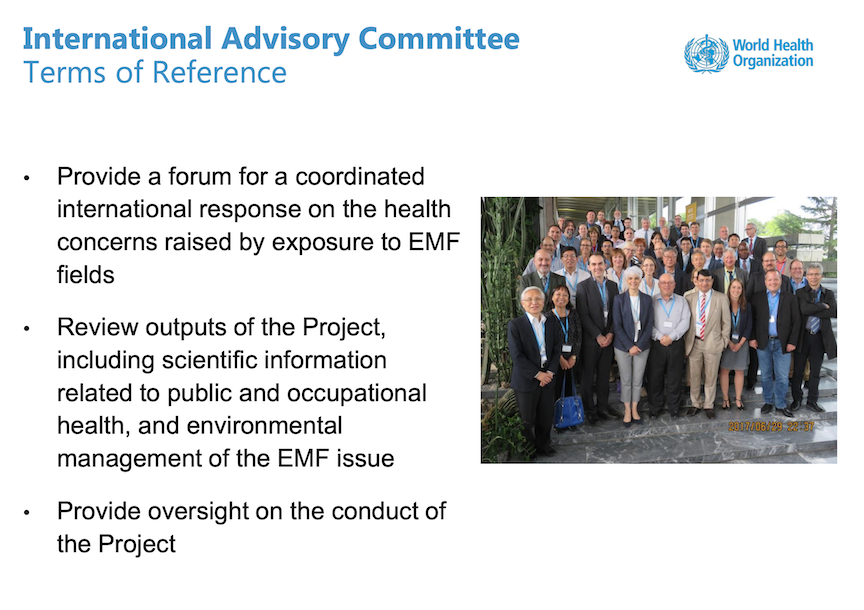 A slide from Emilie van Deventer’s presentation at 2019 IAC meeting.
She is fourth from the left in the front row.
Van Deventer runs a closed shop with essentially no public outreach. She and her staff have declined to share the most basic information or documents on WHO’s EMF work and, on most occasions, they do not respond to email inquiries.
The IAC meeting will also address other types of non-ionizing radiation, including UV and optical frequencies.
Declassified Intelligence Report Renews Concern over RF Weapons
A newly declassified, though heavily redacted, report from the intelligence community has put renewed emphasis on the possibility that the condition known as “Havana Syndrome” could be caused by pulsed RF energy.
“Electromagnetic energy, particularly pulsed signals in the radiofrequency range, plausibly explains the core characteristics [of Havana Syndrome, also called ‘anomalous health incidents’] although information gaps exist,” the intelligence panel concluded.
The report, Anomalous Health Incidents: Analysis of Potential Causal Mechanisms, was prepared for the Director of National Intelligence, Avril Haines, and the Deputy Director of the CIA, David Cohen. It was released to attorney Mark Zaid at the James Madison Project in Washington, DC. Salon broke the news yesterday evening.
The names of the authors of the report were censored. “The panel comprised experts from inside and outside the U.S. Government with expertise in relevant areas of science, medicine and engineering,” according to the report. All had top secret clearances.
Symptoms of Havana Syndrome include hearing loss, vertigo, headaches, nausea and various other unexplained neurological complaints.
Support for 2020 Findings of the National Academy of Sciences
The new report, dated September 2022, supports the conclusions of a 2020 assessment by a committee of the National Academy of Sciences, chaired by Stanford University professor David Relman. That panel found:
Considering the available information and the possible mechanisms, the committee felt that many of the distinctive and acute signs, symptoms, and observations reported by Department of State employees “are consistent with the effects of directed, pulsed radio frequency (RF) energy.”
Only about a third of the members of Relman’s group had security clearances. Linda Birnbaum, the former director of NIEHS and the NTP, was a member of the NAS panel.
Two years later, Relman was still concerned about RF radiation. “We have identified an area of science and medicine that I think is very important that we really don’t know a whole lot about,” he told CNN. “How does the human body interact with electromagnetic energy? We really need to understand that better.”
Others believe that Havana Syndrome is a form of mass hysteria. For instance, just last week, Robert Bartholomew, a sociologist, writing in Psychology Today called the whole controversy a “fiasco.” All those symptoms were “not caused by a secret weapon, but an array of health conditions and anxiety,” he argued.
Key Findings
The key conclusions of the new intelligence committee report are:
• “The signs and symptoms of AHIs are genuine and compelling.”
• “A subset of AHIs [has] a unique combination of core characteristics that cannot be explained by known environmental or medical conditions and could be due to external stimuli.”
• “Electromagnetic energy, particularly pulsed signals in the radiofrequency range, plausibly explains the core characteristics, although information gaps exist.”
• “Ultrasound also plausibly explains the core characteristics, but only in close-access scenarios and with information gaps.”
• “Psychosocial factors alone cannot account for the core characteristics, although they may explain some other reported incidents or contribute to long-term signs and symptoms.”
• “Ionizing radiation, chemical and biological agents, infrasound, audible sound, ultrasound propagated over large distances, and bulk heating from electromagnetic energy are all implausible explanations for the core characteristics in the absence of other synergistic stimuli.”
Here are three noteworthy snippets from the new report (unfortunately, the references are not included in what was released):
On the blood-brain barrier (p.7):
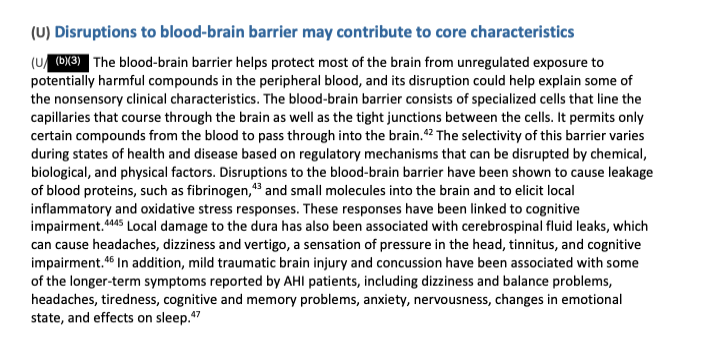
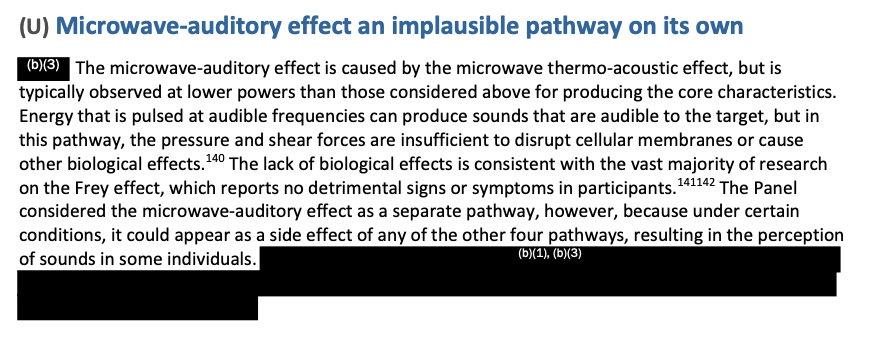
On the auditory effect first described by Allan Frey (p.25):
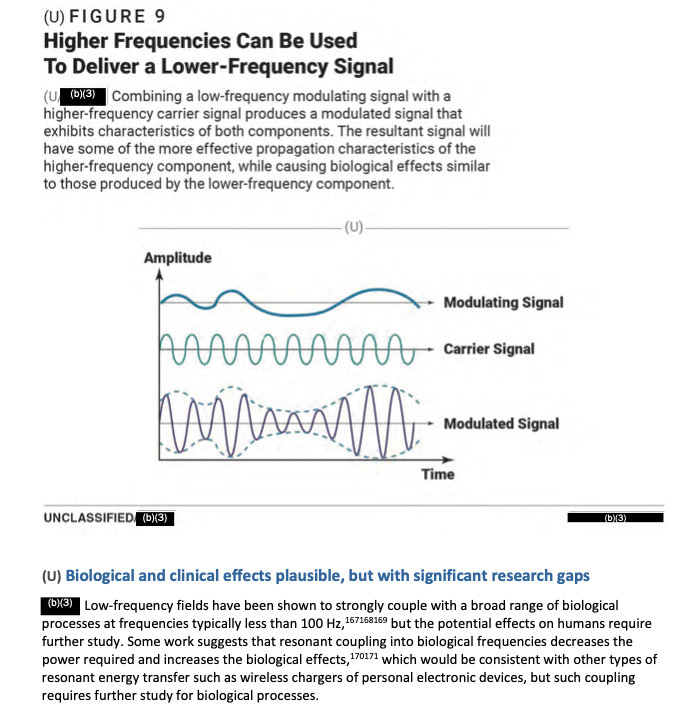
On low-frequency modulation/high-frequency carrier (p.28):
Professor Allowed Back on Campus; No Action Taken
The University at Albany in New York State has closed its investigation of Professor David Carpenter, the director of its Institute for Health and the Environment, without taking any disciplinary action.
After being barred from going to his office most of last year, Carpenter may now once again “teach and conduct research on campus,” according to a statement released by the University on Tuesday evening.
The full text of the statement is below:
 On Wednesday, Carpenter issued his own statement, in which he says that he’s “very proud of [his] work with plaintiffs around the country who seek to hold Monsanto responsible for the damage done by its products.” And that he is “humbled and deeply appreciative of the thousands of people who heard about my situation and supported me.” (Full text, below.)

Carpenter Placed on “Alternate Assignment”
Just over two weeks ago, on February 5, the Albany Times Union reported that Carpenter had been “quietly placed on alternate assignment” as the University conducted a “disciplinary investigation” of his work as an expert witness on the health effects of PCBs, a family of highly toxic chemicals, formally known as polychlorinated biphenyls. They were manufactured by Monsanto until they were banned by the EPA in the late 1970s. (More about PCBs here.)
While this investigation was going on, Carpenter was “instructed to not visit any campuses and perform his duties from home,” according to the Times Union.
It is not clear what Carpenter is accused of doing wrong. He donated all his consulting fees, except those for travel expenses, to fund scholarships for his students, with, as the Times Union spells out, “the consent of top university officials.”
His suspension prompted widespread protests. A petition decrying Monsanto’s attacks on Carpenter —posted on Change.org— has been signed by more than a thousand supporters. A rally to draw public attention to his predicament was scheduled to be held at the state capitol in Albany on Thursday, February 23.
Among the professional groups speaking out for Carpenter are the Ramazzini Institute, based in Bologna, Italy, and the International Commission on the Biological Effects of EMFs (ICBE-EMF). The Commission’s release states that Albany’s attempt to silence Carpenter “brings shame to this University.”

In an editorial, Environmental Health News accused the university of helping Monsanto silence Carpenter.
“UAlbany reiterates in the strongest possible terms our full commitment to unfettered academic freedom,” the University stated in its public announcement.
The university’s investigation was prompted by a records request by the Shook Hardy & Bacon law firm, working on behalf of Monsanto, in its litigtion on PCBs. (What remains of Monsanto is now owned by Bayer.) Monsanto is also the maker of Round-Up, a glyphosate herbicide, which has been and continues to be at the center for another major health controversy.
In 2015, IARC classified PCBs and dioxin-like PCBs as a known (Class 1) human carcinogen.
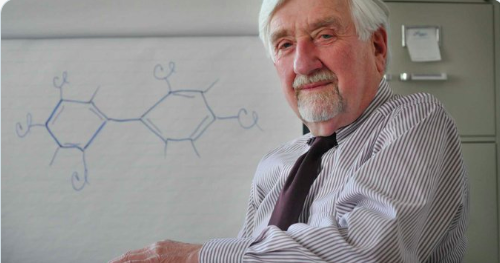 David Carpenter, photo by Paul Buckowski, Times Union
On February 13, the Times Union published a follow-up story detailing how Shook Hardy was using the university’s investigation to try and silence Carpenter in an ongoing case in which he is serving as an expert witness for the Saint Regis Mohawk Tribe. The tribe is suing Monsanto for PCB contamination of its lands, that are adjacent to a chemical dump.
A Major Force in EMF/RF Research
In addition to his work on toxic chemicals, for over 40 years Carpenter has been a leading force in efforts to study and regulate the health effects of electromagnetic fields (EMFs) and radiation.
He led the New York Power Line Project in the early 1980s, which resulted in the confirmation of the landmark epidemiological study by Nancy Wertheimer and Ed Leeper, which first linked power line EMFs to childhood leukemia. The NY project report, issued in 1987, brought international attention to the power line cancer risk. Fifteen years later, in 2001, IARC classified power-frequency fields as a possible (class 2B) carcinogen.
In 1994, Carpenter and Sinerik Ayrapetyan coedited a two-volume collection of review papers, under the title, The Biological Effects of Electric and Magnetic Fields, published by Academic Press.
Carpenter is the coeditor, with Cindy Sage, of the BioIniative Report, which promotes stricter exposure standards for EMFs and RF radiation. First issued in 2007, the Report has been regularly updated.
More recently, Carpenter has raised questions about the safety of 5G radiation, the latest generation of cell phone technology. For this, he was harshly criticized in two separate articles by William Broad, a science reporter at the New York Times. They were published just a few months apart in 2019 (see our “A Fact-Free Hit on a 5G Critic” and “Open Season on 5G Critics”). At about the same time, the Times announced that it had “joined forces with Verizon to create the 5G Journalism Lab.” (See this paid post on the New York Times website.) Verizon is one of the largest telecom companies in the world with revenues on the order of $150 billion a year.
Carpenter, who is 86-year-old, is one of two editors-in-chief of Reviews on Environmental Health, a journal published by De Gruyter.
The Times Union story on Carpenter’s reinstatement is here.
See also: “Professor Says He Was Barred from Campus After FOIA Inquiry,” Inside Higher Ed, February 20.
Abraham Liboff, a biophysicst and journal editor, died on January 9 at the age of 95.
Abe was a wonderful and generous man. On the occasion of his 90th birthday, I wrote an appreciation of his work. You can read it here.
Tribute in Electromagnetic Biology and Medicine
March 21, 2023
Joseph Salvatore and Henry Lai, the current and former editors-in-chief of the journal Electromagnetic Biology and Medicine, have published a tribute to Abe Liboff.
Liboff was the editor of the journal from 1998 to 2010.
“His work has inspired generations of nonionizing-electromagnetic field (EMF) researchers,” they write. “His influence will be felt for many years to come.”
Their tribute is open access.